I Switched to the Philips Lattego 4400 Series and Here is What Happened
The quest for the perfect morning cup of coffee often leads enthusiasts down one of two paths: the ritualistic, hands-on labor of a manual espresso machine or the compromised convenience of a capsule-based system. For years, the middle ground—the super-automatic espresso machine—was often reserved for those willing to spend several thousand dollars or settle for internal mechanisms that were notoriously difficult to clean. However, the release of the Philips Lattego 4400 Series marks a significant shift in the mid-range espresso market. This transition from more manual or pod-based systems to a fully automated bean-to-cup experience represents more than just a change in appliance; it represents a fundamental shift in how a household interacts with coffee culture on a daily basis.
Switching to the 4400 Series is a transformative experience for the habitual coffee drinker. It addresses the primary pain points of the modern kitchen: the need for speed during the morning rush, the desire for cafe-quality milk texture, and the universal dread of complex appliance maintenance. By integrating advanced software with a refined physical interface, Philips has produced a machine that attempts to democratize the sophisticated espresso experience. This article explores the nuances of making that switch, analyzing the technical performance, the sensory outcomes, and the long-term logistical implications of bringing the 4400 Series into the home environment.
Understanding the Evolution: Why the 4400 Series Matters
To understand the impact of the Philips Lattego 4400 Series, one must look at the lineage of the LatteGo system. Previous iterations, such as the 2200 and 3200 series, established the foundation of a two-part, tubeless milk system that eliminated the most hygienic concern of automated machines. The 4400 Series, however, elevates this concept by introducing "SilentBrew" technology and an expanded menu of twelve distinct beverages. These include traditional entries like espresso and cappuccino, alongside more modern requirements like iced coffee and "Caffé Bellato."
The "switch" often occurs when a user realizes that their current method—perhaps a drip brewer or a Nespresso machine—is failing to provide either the freshness of freshly ground beans or the specific milk textures required for a true flat white or latte macchiato. The 4400 Series targets this specific demographic: the consumer who values the integrity of the bean but lacks the fifteen minutes required to properly dial in a manual portafilter machine every morning. The integration of 100% ceramic grinders ensures that even at high speeds, the beans do not overheat, preserving the delicate aromatic oils that define premium coffee blends.
The First Forty-Eight Hours: Installation and Calibration
The initial transition period is where most users either fall in love with or become frustrated by a super-automatic machine. With the 4400 Series, the setup process is remarkably streamlined. Upon unboxing, the machine guides the user through water hardness testing—a critical step that many overlook. By calibrating the machine to the specific mineral content of the local tap water, the software can accurately predict when the AquaClean filter will need replacement, potentially delaying the need for a full descaling for up to 5,000 cups.
The true "magic" happens during the first dozen brews. Super-automatic machines utilize an adaptive system often referred to as the "Philips Coffee Adapt" system. During these initial cycles, the internal software adjusts the brewing pressure and grind timing to match the resistance of the specific beans being used. For a user switching from a pod system, the immediate takeaway is the aroma. The sheer fragrance of a fresh grind permeating the kitchen is a stark contrast to the sterile experience of puncturing a plastic capsule. By the second day, the pucks in the grounds container become firm and dry, indicating that the machine has successfully calibrated itself to the user’s preferred roast.
Beverage Analysis: From Espresso to Iced Coffee
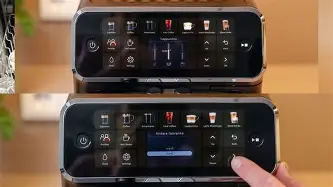
The 4400 Series boasts a menu that rivals high-end office machines. The quality of the espresso is the foundation upon which all other drinks are built. Through the intuitive TFT display, users can customize the strength (five levels), the volume of coffee, and the volume of milk. This level of granular control is essential because "medium" in one household may be "weak" in another. The espresso produced features a thick, hazelnut-colored crema, a result of the 15-bar pump system that provides consistent pressure throughout the extraction phase.
The standout feature, however, remains the LatteGo carafe. Traditional milk frothers use internal tubes that are nearly impossible to clean without specialized chemicals. The LatteGo system consists of two pieces that snap together, creating a pressurized chamber where air and milk are mixed at high speeds. This results in a silky microfoam that sits atop the coffee without the large bubbles often seen in cheaper automated frothers. For those who enjoy milk-based drinks, the transition to this system means no more standing over a steam wand; the machine handles the layering automatically, pouring the milk first for lattes and the espresso first for cappuccinos, respecting the traditional architecture of the drinks.
Discover deals on Electronics — updated daily.
Shop Amazon →The inclusion of a dedicated iced coffee function is a nod to contemporary trends. Unlike simply brewing hot coffee over ice—which leads to immediate dilution—the 4400 Series adjusts the brewing temperature and flow rate to ensure the extraction is concentrated enough to stand up to melting ice. This specific logic change in the brewing software is a significant reason why users choose the 4400 over the entry-level models in the Philips lineup.
Technical Specifications and Performance Comparison
When considering a switch, it is helpful to see how the 4400 Series compares to its siblings and competitors in the same price bracket. The following table highlights the key metrics that define this particular model’s position in the market.
| Feature | Philips 4400 Series | Typical Entry-Level Super-Auto | Premium Manual/Semi-Auto |
|---|---|---|---|
| Beverage Variety | 12 Varieties | 3 to 5 Varieties | Unlimited (User Skill Dependent) |
| Grinder Material | 100% Ceramic | Stainless Steel | Varies (Usually Steel) |
| Milk System | LatteGo (Tubeless) | Steam Wand or Internal Tube | Manual Steam Wand |
| Cleaning Time | < 60 Seconds | 5 to 10 Minutes | 5 Minutes per session |
| Noise Level | SilentBrew Certified | High (70-80 dB) | Moderate |
| Interface | Full Color TFT Touch | Tactile Buttons | Analog Gauges/Switches |
The comparison reveals that the 4400 Series occupies a "sweet spot." It offers the interface and variety of a premium machine while maintaining the ease of use that defines the Philips brand. The transition to ceramic grinders is particularly noteworthy for those who use oily, dark roast beans, as ceramic is less prone to heating up and maintains its sharpness longer than many entry-level steel burrs.
Pros and Cons: A Balanced Assessment
No machine is perfect, and making the switch involves accepting certain trade-offs. While the 4400 Series excels in convenience and maintenance, there are nuances that a prospective buyer should understand before retiring their old drip brewer.
- Pro: Hygiene and Maintenance. The LatteGo carafe can be rinsed under a tap in literally ten seconds. There are no hidden pipes where old milk can stagnate and breed bacteria.
- Pro: SilentBrew Technology. Philips has significantly dampened the sound of the grinder and the brewing group. It is one of the few machines quiet enough to use in an open-concept home without waking up family members in adjacent rooms.
- Con: Water Resevoir Placement. The reservoir pulls out from the front, which is convenient, but its narrow shape means it requires frequent refilling if the household drinks many long coffees or "Americanos."
- Con: Plastic Construction. While the internals are robust, the exterior casing is primarily high-gray or black plastic. Users coming from all-stainless-steel manual machines might find the aesthetic less "premium" on the countertop.
- Con: Fixed Brew Group Heights. While the dispensing spout is adjustable, it may not accommodate extremely tall travel mugs without removing the drip tray.
The Buying Guide: Is the 4400 Right for You?
Switching to a new coffee system is an investment, both financially and in terms of counter space. To determine if the 4400 Series is the correct destination for your coffee journey, consider the following environmental and lifestyle factors.
Coffee Volume and Household Size
The 4400 Series is designed for households that consume between two and six cups per day. Because of the automatic rinsing cycles that occur upon startup and shutdown, the machine stays clean, but it does use a portion of its water for these maintenance tasks. If you are a single drinker who only has one small espresso a day, the overhead of a super-automatic might feel excessive. Conversely, for a family of four coffee drinkers, the speed of back-to-back brewing is a life-changer.
Bean Preference
If you prefer oily, "Italian" style dark roasts, the ceramic grinders in the 4400 are a great fit as they resist the buildup of oils better than metal. However, users should avoid "torrefacto" or sugar-coated beans, as these will eventually gum up the brew group of any super-automatic machine. If you are someone who enjoys "dialing in" the specific acidity of a light-roast Ethiopian bean, you may find the presets of an automated machine slightly limiting compared to a manual setup with a standalone grinder.
Maintenance Philosophy
Are you the type of person who forgets to descale their appliances? The AquaClean integration is likely the biggest "selling point" for you. The machine proactively manages its own health. However, you must be willing to perform the weekly "rinse" of the removable brew group. Unlike some competitors where the brew group is "sealed for life," Philips allows you to take it out and rinse off the coffee oils. This ensures the machine doesn't develop a bitter aftertaste over the years, but it does require a sixty-second commitment once a week.
Looking for the best Electronics deals on Amazon?
View Offers →Long-Term Impact: Cost and Sustainability
One of the most profound realizations after switching to the 4400 Series is the economic shift. Users moving from a pod-based system often find that the machine pays for itself within twelve to eighteen months. Whole beans are significantly cheaper per gram than aluminum or plastic capsules. Furthermore, the environmental impact is drastically reduced; the only waste produced by the 4400 Series is compostable coffee pucks and the occasional water filter.
In terms of durability, the 4400 Series is built on a platform that Philips has refined over decades (leveraging their acquisition of the Italian brand Saeco). The internal brew group is a standardized part, meaning that if a seal eventually wears out after five years, parts are readily available. This "repairability" is a significant advantage over many modern small appliances that are designed to be discarded if they fail.
Daily Workflow: A Morning with the 4400
To truly understand what happened after the switch, one must look at the ritual. In the past, the morning might have involved waiting for a kettle to boil or dealing with the loud, vibrating pump of a cheaper machine. With the 4400, the process is reduced to a few taps. You turn the machine on; it performs a quick 15-second rinse to pre-warm the internals. You place your cup, select "Cappuccino," and adjust the strength bar to the maximum setting.
The grinder engages with a muted whir rather than a shrill grind. The milk is frothed directly into the cup, followed by the rich, dark extraction of the espresso. Because the 4400 uses an "aroma seal" on the bean hopper, the beans stay fresh for longer, meaning the first cup of the day tastes as consistent as the last. The "what happened" is ultimately the elimination of friction. The machine removes the barriers between the craving for a high-quality beverage and the consumption of it.
Conclusion
The transition to the Philips Lattego 4400 Series represents a maturation of the home coffee experience. It is a machine that recognizes that while we all want a better cup of coffee, few of us have the desire to become amateur baristas simply to survive a Tuesday morning. By focusing on "SilentBrew" technology, a truly hygienic milk system, and a vast array of customizable beverage options, Philips has created a device that feels less like an appliance and more like a reliable domestic service.
What happens when you switch is a subtle but permanent change in your expectations. You begin to expect that milk should be silken, not bubbly. You expect that your machine should tell you what it needs rather than failing unexpectedly. Most importantly, you reclaim the time previously spent on cleaning, prep, and maintenance. The 4400 Series isn't just about coffee; it is about the luxury of convenience without the traditional sacrifice of quality. For the modern household, that is perhaps the most valuable switch one can make.