Biggest Sigma 56Mm F1.4 DC DN Contemporary Buying Mistakes (And How to Avoid Them)
Cameras Category
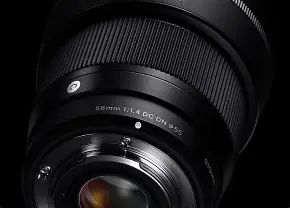
The Sigma 56mm F1.4 DC DN Contemporary lens has become a staple for photographers who demand outstanding image quality in a compact, lightweight package. Especially popular among mirrorless camera enthusiasts, its ultra-fast aperture, whisper-quiet autofocus, and exceptional sharpness make it a favorite for portraits, street, and low-light photography. However, as with any widely-acclaimed product, misconceptions and common buying mistakes persist—potentially leading to unnecessary frustration or regret for new buyers.
This guide dives into the most frequent pitfalls prospective Sigma 56mm F1.4 DC DN Contemporary buyers make, why they matter, and how to make informed decisions. Whether you’re a seasoned pro or an enthusiastic hobbyist, understanding these nuances can mean the difference between loving your purchase and wishing you’d done things differently.
Understanding the Sigma 56mm F1.4 DC DN Contemporary
The Sigma 56mm F1.4 DC DN Contemporary is part of Sigma’s “Contemporary” lineup aimed at delivering optical excellence without unnecessary bulk. Designed specifically for APS-C sensor mirrorless cameras, it strikes a unique balance between price, performance, and portability.
- Focal Length: 56mm (equivalent to ~84mm full-frame)
- Maximum Aperture: f/1.4
- Mounts Available: Sony E-mount, Canon EF-M, Micro Four Thirds, L-Mount
- Autofocus: Stepping Motor (STM) for silent, smooth AF
- Weight: Approx. 280g / 9.9 oz.
In real-world use, buyers laud its crisp center and edge-to-edge sharpness, butter-smooth background blur (bokeh), and suitability for a wide variety of shooting situations. Still, there are several crucial caveats not always apparent at a glance.
Biggest Sigma 56mm F1.4 DC DN Contemporary Buying Mistakes
1. Choosing the Wrong Mount
One of the most frequent errors is purchasing the lens in an incompatible mount. The Sigma 56mm f/1.4 DC DN Contemporary is available for several mirrorless platforms but, crucially, it is not cross-compatible. Sony E-mount, Canon EF-M, Micro Four Thirds (MFT), and L-mount versions are physically and electronically different. Owners often discover too late that their new lens won’t mount or function on their camera.
- Sony E-mount: Compatible with Sony APS-C bodies like the a6000 series
- Canon EF-M: For Canon’s EOS M line, which is now discontinued
- Micro Four Thirds: Olympus and Panasonic bodies
- L-Mount: Panasonic, Sigma, and Leica APS-C L-mount bodies
How to avoid this mistake: Double-check your camera’s mount and sensor size before ordering. Don’t rely on looks or model numbers alone.
2. Overlooking the APS-C Limitation
The “DC” designation in Sigma parlance means this lens is optimized for crop-sensor (APS-C) cameras. It will physically mount on full-frame bodies (with some mounts), but will force the camera into a crop mode or result in dark vignetting around the edges. Prospective buyers planning to upgrade to full-frame down the road often regret limiting themselves if they hoped to use this lens as an all-rounder.
How to avoid this mistake: If you see a full-frame upgrade in your near future, consider Sigma’s “DG” line or other full-frame-specific lenses.
3. Expecting Features It Doesn’t Offer
- No Optical Stabilization: The Sigma 56mm F1.4 lacks built-in image stabilization (OIS). While many modern bodies have IBIS (in-body image stabilization), not all do, and some users discover their images are more prone to blur, especially in low light, without support from the lens.
- No Weather Sealing: Although Sigma improved dust and splash resistance in recent lenses, the 56mm F1.4 DC DN is mostly unsealed. It’s not well-suited for harsh weather, which may be important for travel or event shooters.
- Manual Focus: The AF/MF switch is missing; manual focus is “fly-by-wire” and can feel unnatural for some users transitioning from traditional DSLR glass.
How to avoid this mistake: Itemize your “must-have” features before purchasing. If image stabilization or robust weather sealing is critical, look elsewhere or ensure your camera body compensates.
Looking for the best Cameras & Photography deals on Amazon?
Shop Amazon →4. Misunderstanding the Crop Factor
On an APS-C camera, 56mm translates roughly to an 84mm (Sony, Canon) or 112mm (Micro Four Thirds) full-frame equivalent. Misjudging this “crop” effect can mean ending up with a focal length not best for your style. Portrait shooters often love this for its flattering compression and background separation, but street or indoor photographers may find it too tight.
How to avoid this mistake: Research your preferred shooting genres and test equivalent focal lengths if possible before investing.
5. Ignoring Autofocus Performance with Certain Bodies
While the stepping motor provides quiet and generally fast autofocus, performance may vary depending on your camera’s generation and firmware. Older or entry-level mirrorless cameras sometimes exhibit slower or less accurate autofocus tracking, especially in low light or with face/eye detection. This isn’t a flaw of the lens, but can surprise users expecting flagship-level AF in all situations.
How to avoid this mistake: Read reviews specific to your camera model or try before you buy if possible. Additionally, keep your camera firmware updated for best compatibility.
6. Neglecting Third-Party Hood and Filter Options
Sigma includes a basic plastic lens hood, but it is smaller and less robust than some users prefer. Some third-party hoods offer improved flare protection or durability. Additionally, misunderstanding the filter thread size (55mm) leads many buyers to order the wrong size filters or caps.
How to avoid this mistake: Confirm the correct filter diameter and factor in the cost of high-quality filters if you’re shooting outdoors or in challenging light.
Sigma 56mm F1.4 DC DN Contemporary: Pros & Cons
- Pros:
- Class-leading sharpness wide open
- Beautiful, creamy bokeh for portraits
- Bright f/1.4 aperture for low-light shooting
- Compact and lightweight, perfect for travel and walkaround kits
- Quiet, reliable autofocus suitable even for video work
- Excellent value relative to similar native-brand lenses
- Solid build with premium feel
- Cons:
- No optical stabilization (OIS) built in
- No weather sealing for rugged conditions
- Not designed for full-frame sensors (APS-C only)
- Poor manual focus “feel” for some users
- Limited minimum focusing distance
- Comes with a basic lens hood
Quick Comparison: Sigma 56mm F1.4 vs. Key Alternatives
| Lenses | Max Aperture | Mount Compatibility | Optical Stabilization | Weather Sealing | Weight | Price Range (Street) |
|---|---|---|---|---|---|---|
| Sigma 56mm F1.4 DC DN Contemporary | f/1.4 | Sony E / Canon EF-M / MFT / L-Mount | No | No | 280g | Mid ($400–$500) |
| Sony E 50mm f/1.8 OSS | f/1.8 | Sony E (APS-C) | Yes | No | 202g | Low ($200–$350) |
| Fujifilm XF 56mm f/1.2 R WR | f/1.2 | Fujifilm X | No | Yes | 445g | High ($900–$1100) |
| Canon EF-M 32mm f/1.4 STM | f/1.4 | Canon EF-M (APS-C) | No | No | 235g | Mid ($450–$550) |
| Olympus 45mm f/1.2 PRO | f/1.2 | Micro Four Thirds | No | Yes | 410g | High ($900–$1200) |
Buying Guide: How to Choose the Right Sigma 56mm F1.4 DC DN Contemporary (and Use It Wisely)
Step 1: Confirm Camera Compatibility
Check your camera’s exact model and mount—Sony E, Canon EF-M (discontinued line), Micro Four Thirds, or L-mount. Despite similar appearances, mounts are not interchangeable. If you own a full-frame body, keep in mind this lens will work only in crop mode or with significant vignetting.
Step 2: Identify Your Core Uses
Are you shooting portraits, street photography, indoor events, or video? Its focal length is ideal for headshots and half-body portraits on APS-C, but can be tight for indoor groups or wide environmental shots. For video, consider whether your camera body offers in-body stabilization to compensate for the lack of OIS on the lens.
Discover deals on Cameras & Photography — updated daily.
Browse Now →Step 3: Make a Features Checklist
- Is weather sealing important? If yes, reconsider.
- Do you require optical stabilization? Pair with an IBIS-capable body or use a tripod/monopod for low-light work.
- Are you comfortable with "fly-by-wire" manual focus?
Step 4: Plan for Accessories
The filter thread is 55mm. If you regularly use ND, CPL, or UV filters, make sure you order the correct size. A step-up ring may provide more flexibility if you have filters of another size. Consider investing in a more protective third-party lens hood if you’re tough on your kit.
Step 5: Check Real-World User Reviews
Performance can vary depending on firmware, camera body, and shooting scenario. Consult recent user feedback, especially from photographers using the same camera model as yours. Watch for any issues with autofocus (especially with older bodies), color rendering, or bokeh that might affect your work.
Step 6: Test if Possible
If you have an opportunity, handle the lens on your own camera body before buying. Pay particular attention to autofocus speed, manual focus feel, balance, and ergonomics. In-store demos and local camera clubs can be invaluable for hands-on evaluation.
Step 7: Watch for Firmware Updates
Third-party lenses, especially for Sony and Canon, may benefit from Sigma’s periodic firmware releases that improve compatibility and performance. After purchase, check Sigma's support website to see if updates are recommended for your lens or camera.
Conclusion
The Sigma 56mm F1.4 DC DN Contemporary earns its stellar reputation with a blend of sharp optics, fast aperture, and portability that suits daily shooters and professionals alike. Still, even the best equipment can disappoint if expectations aren’t properly set. Avoiding common mistakes—such as buying the wrong mount, overlooking APS-C-only design, or failing to match features to your needs—ensures you’ll extract full value from this celebrated portrait prime.
By thoroughly understanding the product, prepping a proper features checklist, and evaluating real-world use cases, buyers can confidently welcome the Sigma 56mm F1.4 DC DN Contemporary as a creative asset to their kit. Few lenses punch above their weight class as effectively—provided you buy with eyes wide open.